
Background
Charting Kenya's Aquatic Research Frontier
Kenya Marine and Fisheries Research Institute was established in 1979 as a result of an enactment of the Science and Technology (Amendment) Act and was charged with the responsibility of conducting research and making management recommendations essential for the national exploitation of living and non-living aquatic resources in the ocean waters, as well as the fresh water in the hinterland.
Managed by a Board of Management, the institute undertook research activities in close consultation with and under the general supervision of the National Council for Science and Technology.
Our Journey
Through the Decades
A chronicle of milestones that built Kenya's foremost aquatic research institution
1979
1979 – 1990
Foundation Era
Laying the groundwork for aquatic research excellence
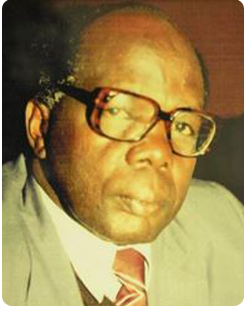
Kenya Marine and Fisheries Research Institute was established in 1979 through the Science and Technology (Amendment) Act, charged with conducting research and providing management recommendations for the sustainable exploitation of Kenya's aquatic resources – both marine and freshwater.
Key Achievements
- Established marine and freshwater research sectors
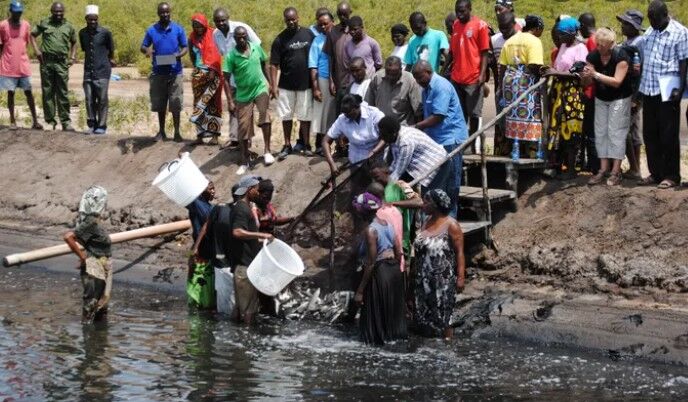
- Constructed Sangoro Sub-station for aquaculture studies
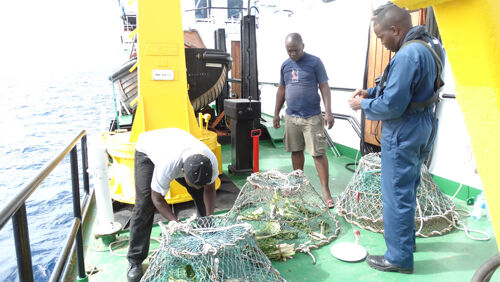
- Acquired research vessels: R.V. Utafiti (Kisumu) and 35ft Lake Turkana vessel
- Expanded training programmes in oceanography, aquaculture, and limnology
- Established Mombasa Laboratory for marine fishery data and research
Research Facilities Established
Marine Sector – Mombasa
Marine fishery data collection and biological monitoring
Freshwater Section – Kisumu
Biological studies of Lake Victoria fishes
Sangoro Riverine Laboratory
Breeding techniques for commercially important species
1990
1990 – 2000
International Collaboration Era
Forging global partnerships for regional impact
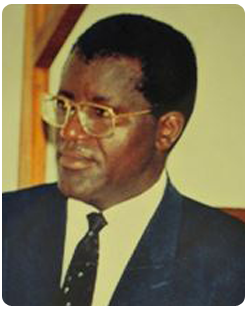
Under Dr. Okemwa's leadership, KMFRI expanded its research portfolio through strategic international and local institutional collaborations, becoming a recognized centre for marine research in the Western Indian Ocean region.
Key Achievements
- Secured funding through Kenya-Belgium Project (KBP) and European Economic Community (EEC)
- Selected as regional representative of East African regional sea programme
- Initiated ecological studies at Gazi Creek for environmental modelling
- Developed oyster aquaculture programme for local fisheries entrepreneurs
- Conducted offshore research with Netherlands Research Vessel R.V Tyro
Major Projects
Kenya-Dutch Cooperation
Study of monsoon impact on Kenyan continental shelf ecosystems
Pollution Monitoring
Kilindini and Tudor Creeks environmental studies
Mangrove Ecosystems
Research on nutrient fluxes and fishery parameters
2000
2000 – 2014
Infrastructure Development Era
Building world-class research facilities
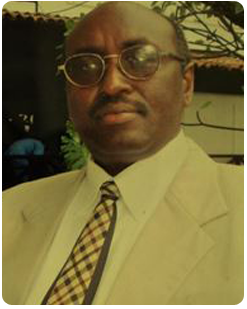
This period marked major infrastructural development including construction of conference facilities, additional offices for the SWIOF project, and the Marine Resource Centre building. Research programmes were strategically restructured for greater impact.
Key Achievements
- Constructed modern conference facility at headquarters
- Built the Marine and Resource Centre
- Developed 5-year research strategic plan (1999–2010)
- Expanded SWIOF project facilities and programmes
Strategic Research Programmes
Now
2014 – Present
Modern Innovation Era
Driving Kenya's Blue Economy through cutting-edge research
KMFRI continues to evolve as a centre of excellence in marine and fisheries research, embracing modern technologies and international partnerships to address contemporary challenges in aquatic resource management and marine conservation.
Current Focus Areas
Climate Change Research
Studying impacts on marine ecosystems and developing adaptive strategies
Blue Economy
Sustainable ocean resource development and economic diversification
Aquaculture Innovation
Advanced farming techniques and sustainable food production
Marine Conservation
Biodiversity protection and habitat restoration initiatives
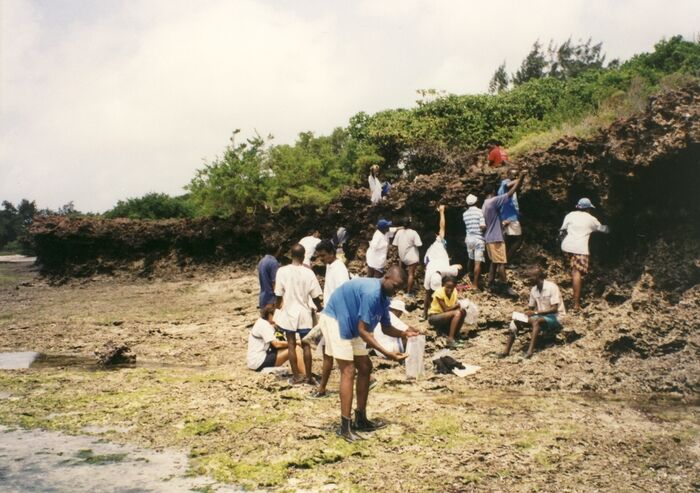
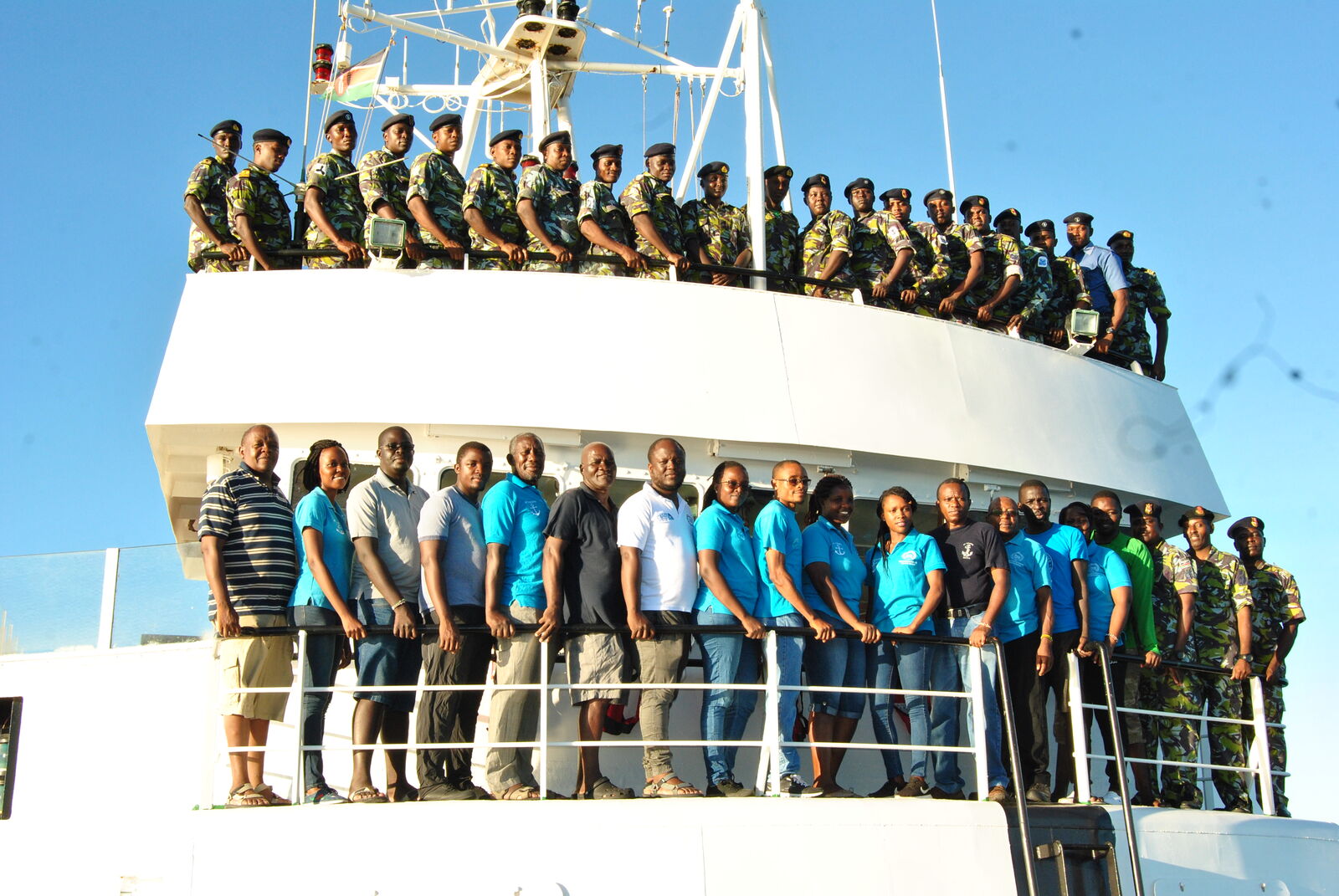
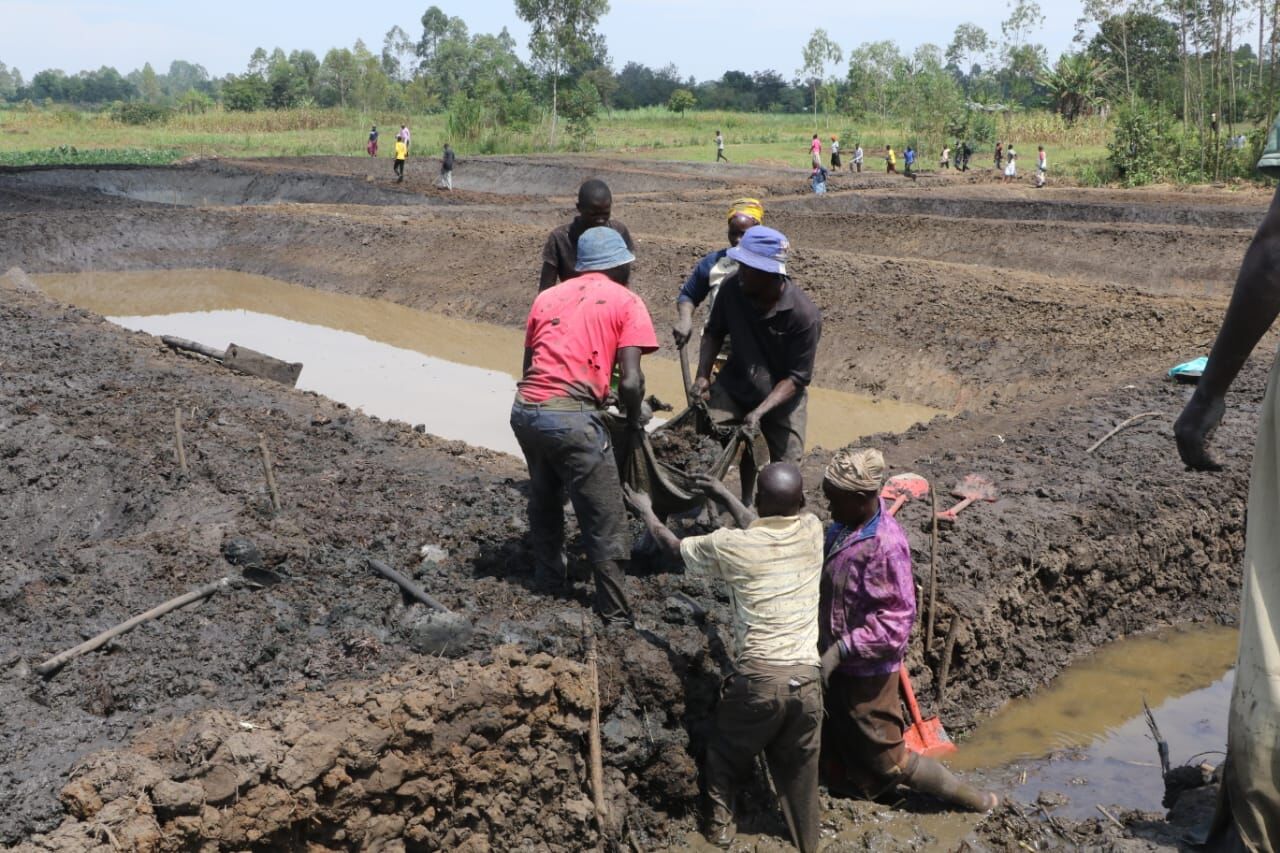
Gallery
Through The Years
Moments that define our legacy of marine and fisheries research