
About Mutonga
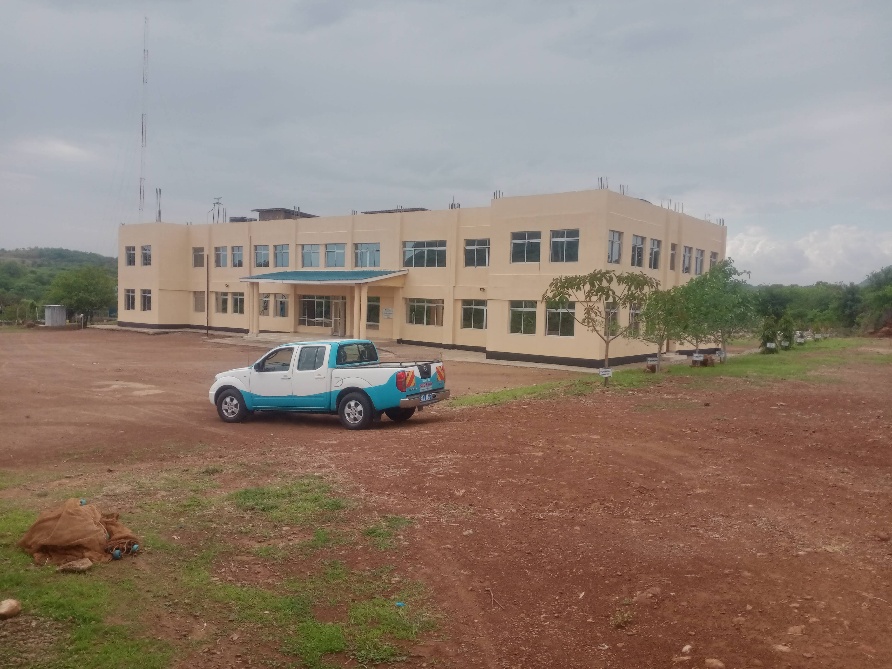
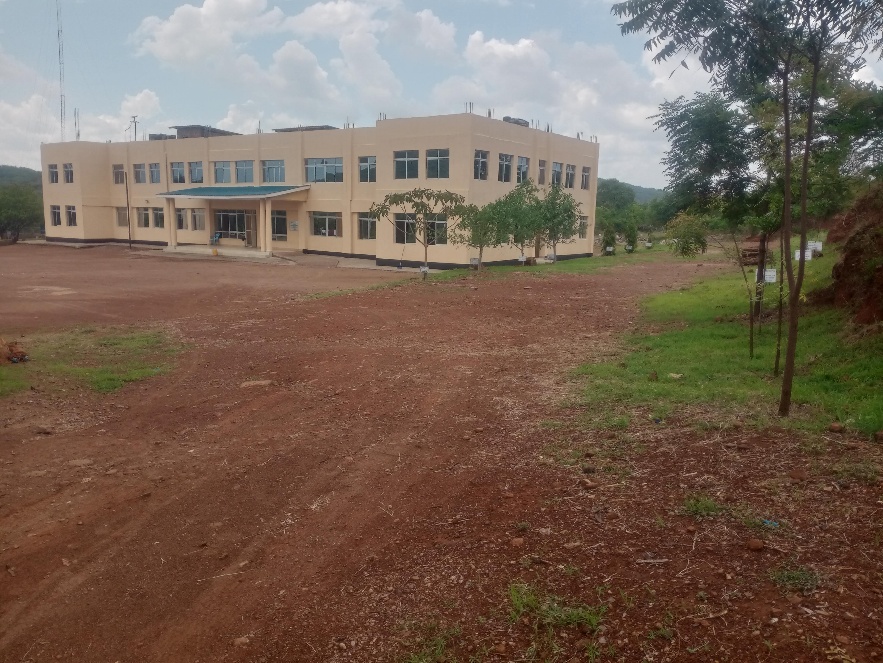
The Kenya Marine and Fisheries Research Institute (KMFRI) Mutonga Aquaculture and Riverine Research Centre is one of the Institute’s inland freshwater centres, located in Chiakariga Ward, Tharaka South Sub-County, Tharaka Nithi County, within the Tana River Basin. The Centre serves as a national centre for aquaculture, freshwater fisheries, and riverine ecosystem research.
Mutonga conducts research aimed at promoting sustainable aquaculture production, conserving freshwater biodiversity, enhancing river ecosystem management, and supporting evidence-based policy development. The centre also undertakes community outreach, capacity building, and technology transfer to improve livelihoods, food security, and sustainable utilization of aquatic resources.
Our Mission
To generate scientific knowledge and innovative technologies for the sustainable utilization, management, conservation, and development of aquaculture, freshwater fisheries, and aquatic resources in Kenya.
History
Mutonga Aquaculture and Riverine Research Centre was established to strengthen KMFRI’s inland freshwater research within the Tana River Basin. Since its establishment, the centre has played an important role in advancing aquaculture technologies, riverine fisheries research, freshwater biodiversity conservation, and ecosystem monitoring.
Working closely with local communities, county governments, universities, national institutions, and development partners, the centre contributes to sustainable management of freshwater resources while supporting Kenya’s Blue Economy agenda.
At a Glance
Kathwana, Kenya
Research Focus Areas
Aquaculture Research
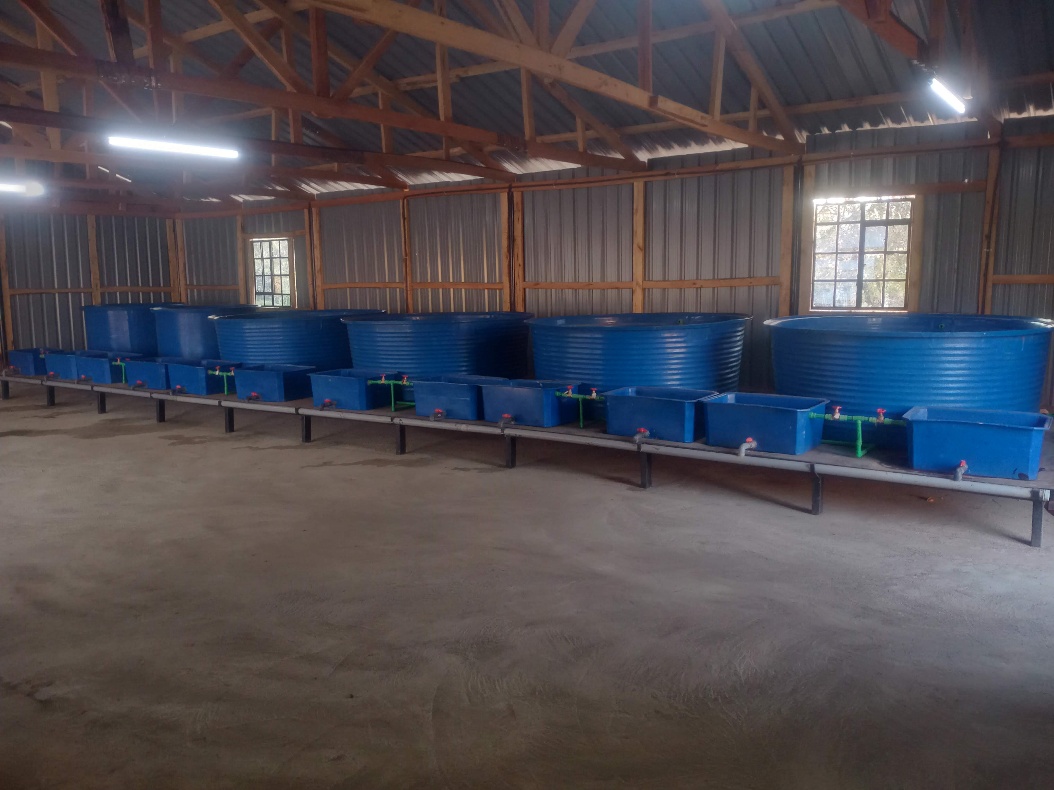
Development and evaluation of sustainable aquaculture production technologies, fish breeding and seed production, pond management and production systems, and climate-smart aquaculture technologies.
Riverine Fisheries Research
Fish stock assessment and monitoring, fish biology, ecology and population dynamics, and the conservation of indigenous freshwater fish species.
Climate Change Research
Impacts of climate variability on freshwater ecosystems, climate adaptation strategies for fisheries and aquaculture, and ecosystem resilience and sustainable resource management.
Fish Health Research
Water quality and environmental stress assessment, biosecurity, and fish health management.
Infrastructure & Facilities
- Fish hatchery
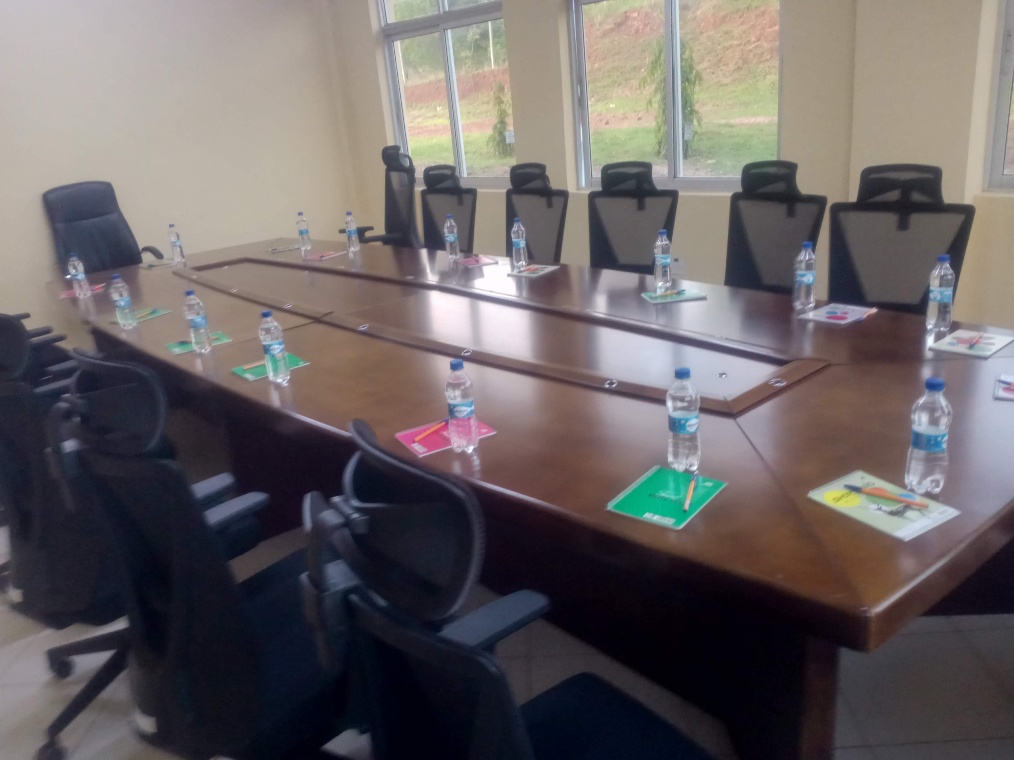
- Boardroom / conference room
- Administration offices
- Water-quality analysis laboratory
Photo Gallery